Interstellar Comet Spotted! See the NASA Images
Okay, space enthusiasts, gather ’round! We’ve got some seriously cool news about the interstellar comet 3I/ATLAS, and let me tell you, it involves stunning images, observations from none other than NASA, and, excitingly, contributions from our very own Indian scientists. But here’s the thing – it’s not just about pretty pictures. It’s about understanding where we come from, and where we might be going. So, let’s dive in, shall we?
Why This Comet Matters – A Cosmic Time Traveler
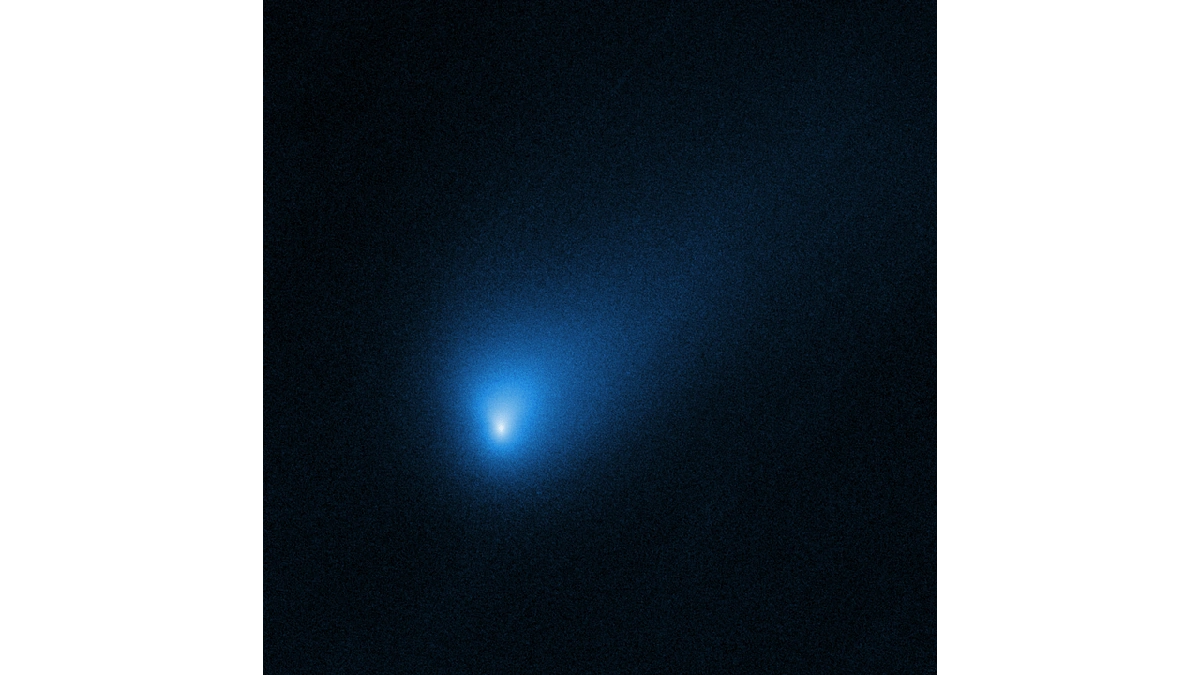
So, why should you, sitting in your cozy home in India, care about a comet zipping through space? Well, for starters, 3I/ATLAS isn’t your everyday comet. It’s an interstellar visitor, meaning it originated from outside our solar system. Think of it as a cosmic traveler bringing tales from faraway lands. What fascinates me is that these interstellar objects offer scientists a unique chance to study the building blocks of other star systems. Are they similar to ours? Are they radically different? The answers could rewrite textbooks. According to NASA’s Jet Propulsion Laboratory (JPL ), studying these comets help us understand the early solar systems, and potentially how life may have spread in the universe.
And, India’s involvement is a huge deal. Indian astronomers are actively involved in tracking and studying 3I/ATLAS, contributing valuable data to the global scientific community. This shows India’s growing prowess in astronomical research. Let’s be honest, it’s pretty awesome to know that our scientists are playing a crucial role in unraveling the mysteries of the universe.
The Best Image Yet – A Visual Feast
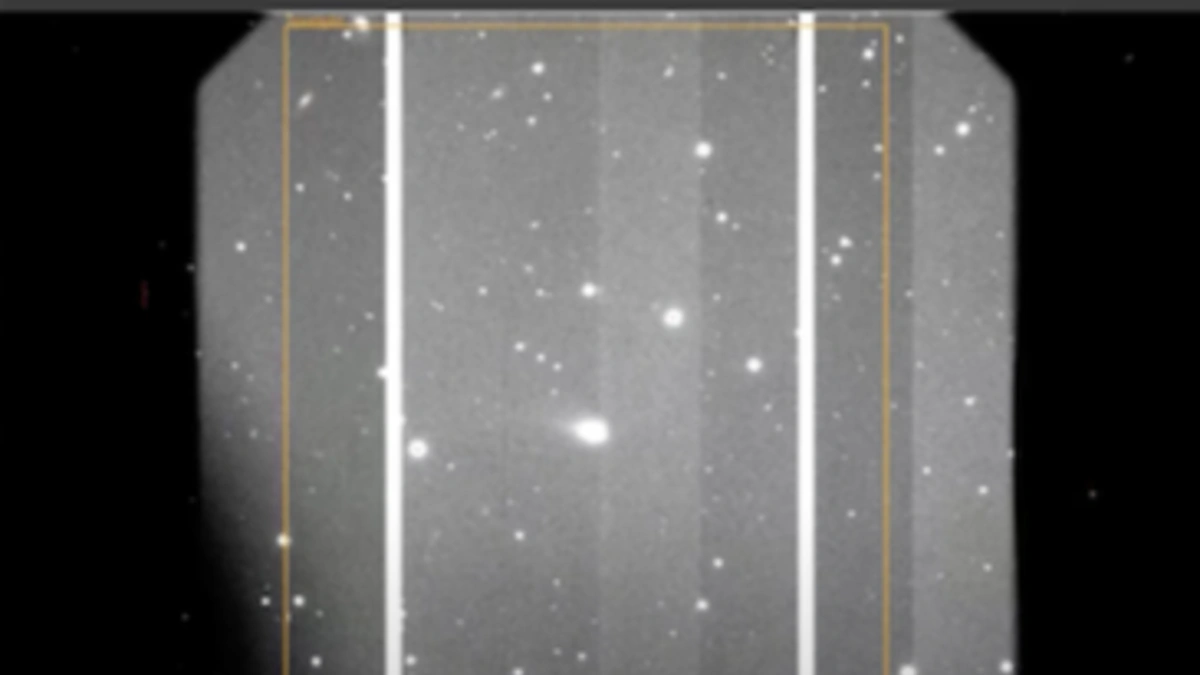
Alright, let’s talk about the visuals. The latest images of 3I/ATLAS are simply breathtaking. We’re talking about detailed shots showing the comet’s coma (that hazy atmosphere around the nucleus) and even hints of its tail. These images aren’t just pretty; they provide crucial information about the comet’s composition and activity. Observing the cometary activity as it interacts with the Sun provides valuable data about its composition. What’s especially interesting is the varying brightness of the comet. This fluctuation can tell us a lot about the materials being ejected from its nucleus. It is, in a way, like reading the comet’s diary.
And, what’s even cooler? Amateur astronomers around the world are contributing their own images, creating a global effort to monitor this celestial wanderer. It’s a reminder that space exploration isn’t just for the big guys with fancy telescopes; anyone with a passion and a good camera can contribute. Check out some online astronomy forums; you’ll find some real gems there. But, do make sure you verify the source!
NASA and India | A Collaborative Stargazing Effort
NASA’s involvement is no surprise, of course. They’ve got some of the most advanced telescopes and instruments in the world, and they’re using them to meticulously track 3I/ATLAS. Their data is invaluable for understanding the comet’s trajectory, its composition, and how it interacts with our solar system. The James Webb Space Telescope is bound to provide even better data than what is available now. But, here’s where it gets exciting for us in India. Indian observatories are also playing a key role. Telescopes like the Giant Metrewave Radio Telescope (GMRT) are being used to study the comet at different wavelengths, providing a more complete picture.
What fascinates me is how international collaboration is key to unlocking the universe’s secrets. It’s not just about one country or one institution; it’s about sharing knowledge and resources to achieve a common goal. Collaboration can solve problems that would otherwise be impossible to solve.
Live Views – Witnessing Cosmic History in Real-Time
Want to see 3I/ATLAS for yourself? While you likely won’t see it with the naked eye (unless you’re in a very dark location with minimal light pollution), there are plenty of online resources offering live views. Websites like the Virtual Telescope Project provide real-time images and streams, allowing you to witness cosmic history as it unfolds. Keep in mind that these views are often enhanced or processed to bring out the comet’s faint features. Still, it’s an amazing way to connect with the cosmos from the comfort of your home.
And, if you’re feeling ambitious, you can even try to photograph the comet yourself! You’ll need a decent telescope, a camera, and some basic astrophotography skills. But trust me, the effort is worth it. Capturing your own image of an interstellar visitor is an experience you’ll never forget. Don’t worry if you’re new to this – there are plenty of online tutorials.
So, what does all this mean? Well, 3I/ATLAS is more than just a pretty sight. It’s a messenger from another star system, offering clues about the origins of our universe. And, with NASA and India working together, we’re one step closer to deciphering its secrets. I am constantly searching for content from NASA to stay up to date, it is an organisation that consistently delivers.
FAQ Section
Frequently Asked Questions About Interstellar Comets
What exactly is an interstellar comet?
An interstellar object , like comet 3I/ATLAS, is a comet that originated from outside our solar system. It has traveled vast distances through interstellar space before encountering our Sun.
How can I view 3I/ATLAS?
While difficult to see with the naked eye, you can view enhanced images and live streams from online resources like the Virtual Telescope Project. A good telescope and astrophotography skills can also allow you to photograph it yourself.
Why is it important to study interstellar comets?
These comets provide valuable insights into the composition and conditions of other star systems. Studying them helps us understand the formation and evolution of planetary systems throughout the galaxy.
How are Indian scientists contributing to this research?
Indian observatories, like the Giant Metrewave Radio Telescope (GMRT), are actively involved in tracking and studying 3I/ATLAS at different wavelengths, providing a more complete picture of the comet.
What does the name ‘3I/ATLAS’ mean?
The ‘3I’ indicates that it’s the third interstellar object discovered. ‘ATLAS’ refers to the Asteroid Terrestrial-impact Last Alert System, the survey that discovered it.
Where can I find the best images of 3I/ATLAS?
NASA’s website and various astronomy news sites often feature the latest and best images. Also, check out amateur astrophotography forums for stunning images taken by enthusiasts around the world. NASA data is easily available so check it out.
About the Author